

A Space Where Sensitivity Becomes Strength.
My Belief

Have you noticed changes in your child that you can’t quite explain?
Maybe they cry or get upset easily.
Maybe they experience nausea, headache or insomnia without medical explanation.
Maybe they care deeply about what others think, or seem unusually sensitive to noise, light, or crowded places.
Perhaps they’ve become more anxious, worried, or afraid of making mistakes — even when they’re capable and intelligent.
Lately, you might see them lose motivation, withdraw from friends, or resist going to school.
After a divorce or a major family change, they may seem more anxious, insecure, or unsure of themselves.
If these sound familiar, you’re not alone.
Many parents face the same confusion and concern — wondering how to help their child feel confident, balanced, and understood again.
These may be signs of a highly sensitive child who feels deeply, thinks intensely, and simply needs a gentler way to grow and connect with the world.
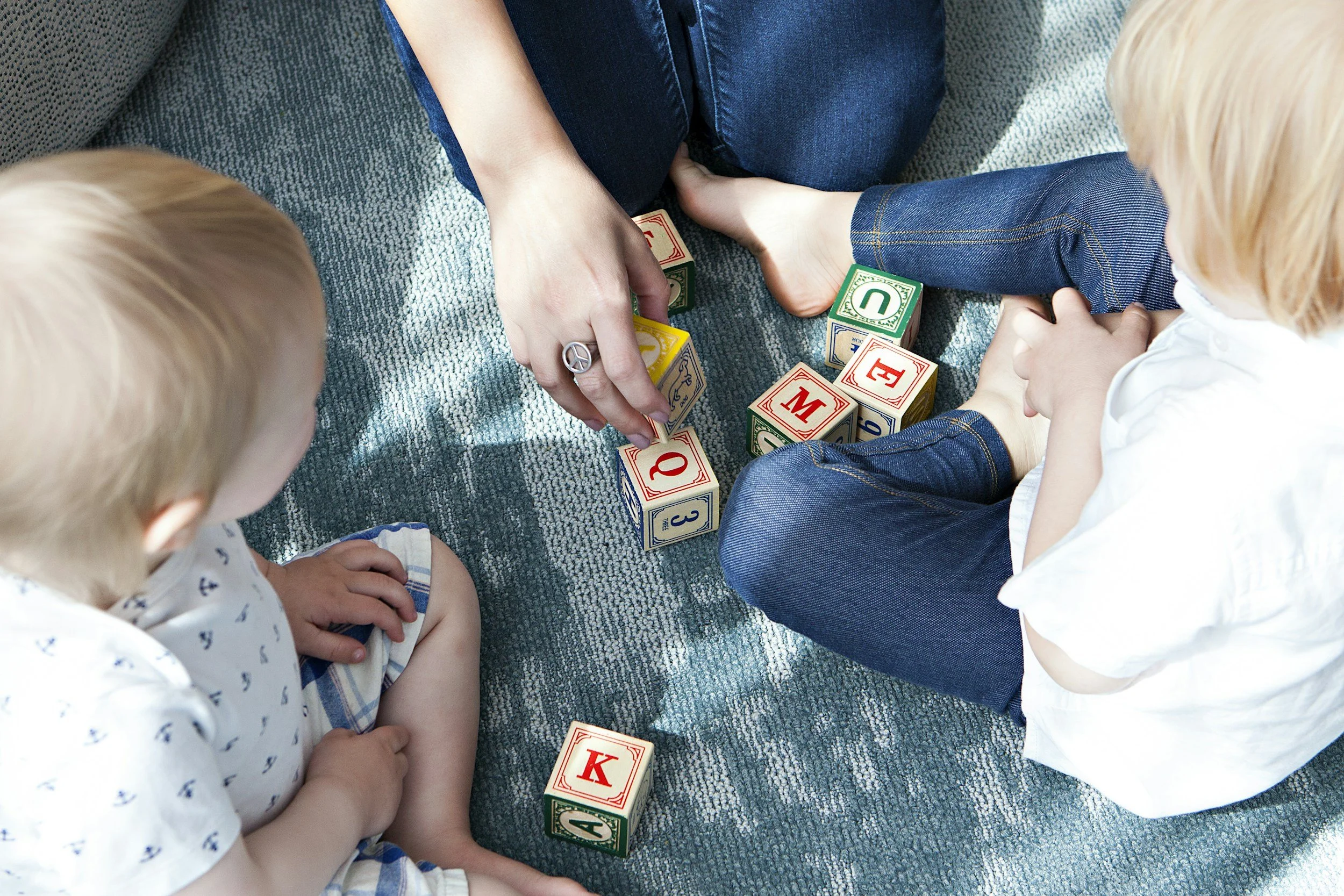
Research shows that around 20 % of children are born with a more sensitive nervous system. They feel emotions deeply, process information thoroughly, and react strongly to both stress and support. When understood and nurtured well, these children often develop exceptional empathy, creativity, and insight.

Does your child show a few of these traits?
• Struggles to stay motivated in tasks that feel boring or pressured.
• Struggles in traditional systems focused on speed, competition, or strict conformity.
• Often struggles with emotional regulation and may feel anxious or upset easily.
• Struggle to cope with family changes, such as divorce or separation.
• Easily overwhelmed in loud, fast-paced, or chaotic settings.
• Worries a lot about what others think or feel.
• Experiences anxiety, perfectionism, or difficulty setting boundaries.
• Needs guidance to build self-confidence and internal motivation.
• Shows unique interests, creative strengths, or unconventional thinking.

How we can help? 🌱
I help parents and children understand sensitivity not as a weakness, but as a unique strength.
Through individual sessions, parent consultations, and guided emotional education,
we work together to:
Understand your child’s emotional world and what lies beneath their behaviors.
Build emotional safety and connection between you and your child.
Support highly sensitive children in developing confidence, focus, and resilience.
Teach mindful strategies that help children regulate big emotions and reduce overwhelm.
Guide parents in communicating with empathy and balance — without guilt or pressure.
My approach combines mindfulness-based therapy, art therapy, family therapy, emotional regulation techniques, and family education to help both children and parents thrive.

Free Consultation
Ready to better understand your highly sensitive child?
Schedule your free 1-hour consultation today.
My Professional Background and Therapeutic Approach
As a mental health therapist, I specialize in supporting highly sensitive individuals, children, and parents as they navigate emotional challenges, anxiety, and family transitions. I am also a highly sensitive person (HSP) myself, which allows me to understand this experience not only on a professional level, but also on a deeply personal one.
I hold dual master’s degrees — one in Clinical Mental Health Counseling and another in Education. My background bridges both psychological therapy and child development education, allowing me to integrate evidence-based practices with compassionate, culturally informed care.
Since childhood, I have felt deeply connected to the emotional and energetic world around me. Growing up as a highly sensitive child, I was easily affected by others’ moods and found it difficult to adapt to new environments. My parents and caregivers were not highly sensitive themselves and often felt unsure how to care for me.
These early experiences shaped not only my sensitivity, but also my calling — to help other sensitive children and their parents find understanding, balance, and confidence.
Over the years, I have worked with families facing:
Children who are anxious, withdrawn, or emotionally reactive
Parenting challenges after divorce, relocation, or cultural adjustment
Highly sensitive youth who feel misunderstood in current systems
Today, my work is guided by both professional knowledge and personal empathy, supporting families in transforming sensitivity into a source of strength, creativity, and genuine connection.
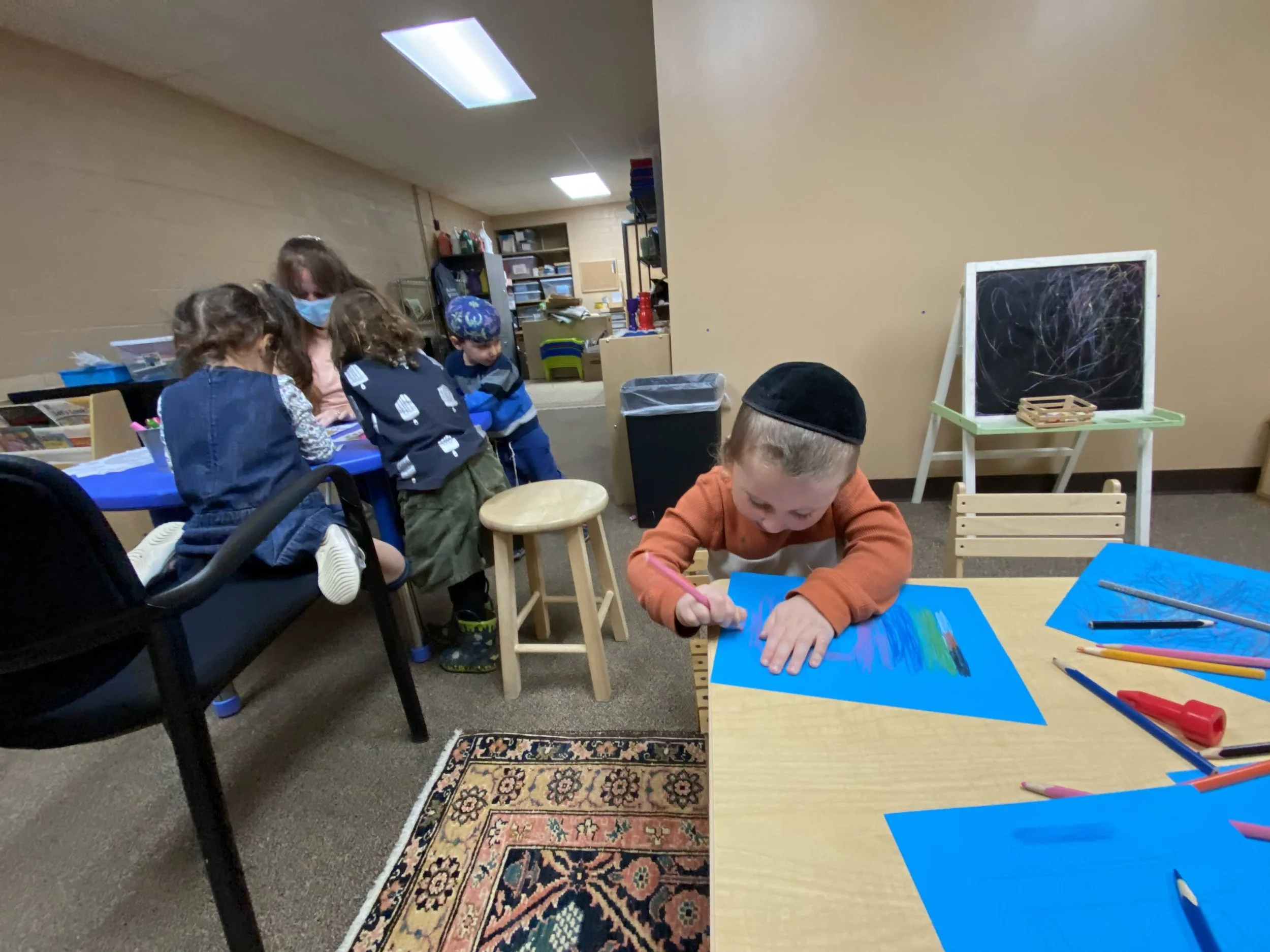
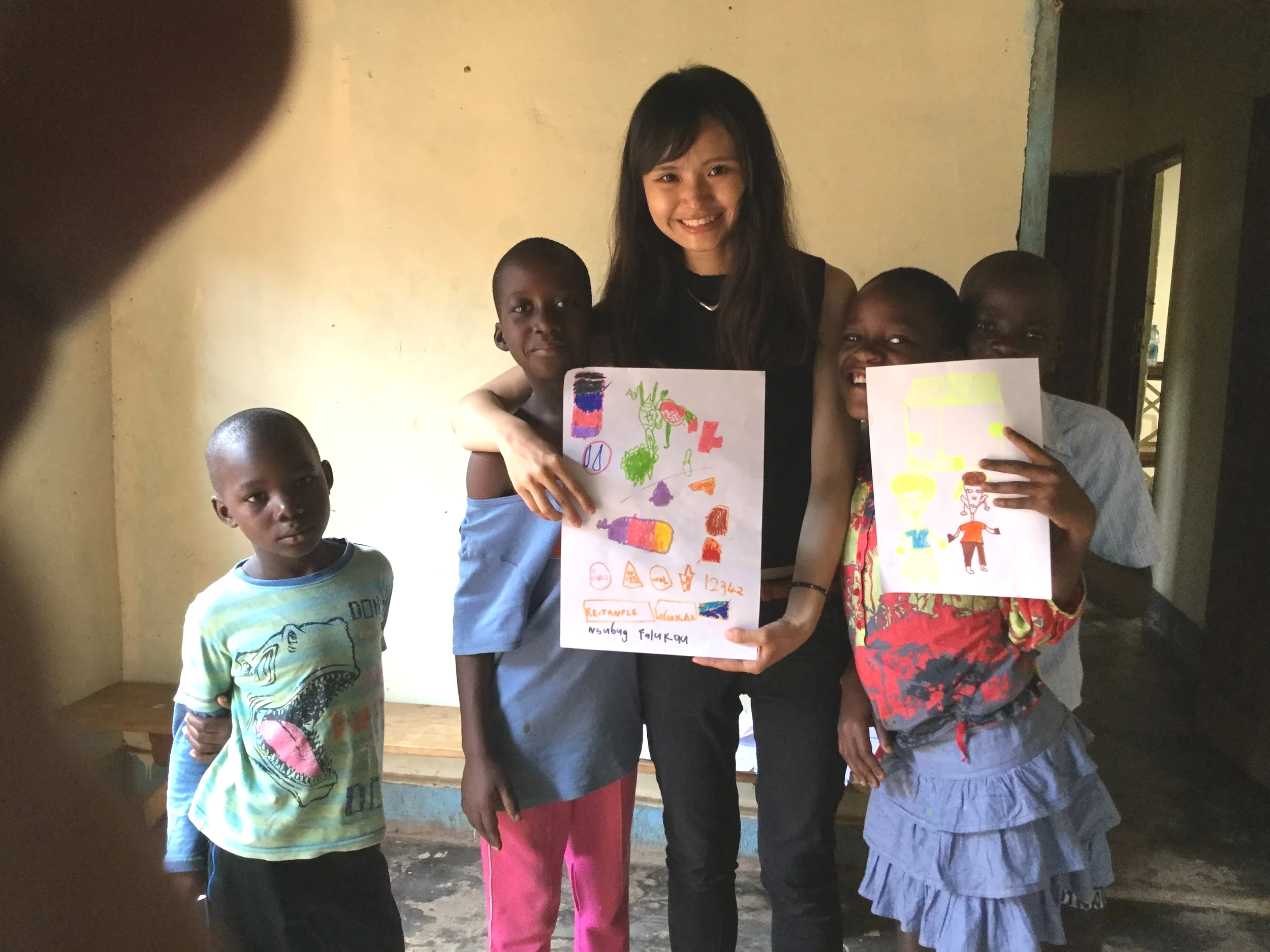


Articles I’ve Published in Magazines
In my clinical practice, I’ve worked with many children and adolescents from divorced families. In a recent research project I conducted, I found that divorce itself doesn’t automatically cause trauma or long-term harm for children—what truly matters is how parents handle the separation and how they stay emotionally connected to their kids. In most cases, a child’s emotional wounds stem less from the divorce itself and more from the parents’ reactions, conflict, or emotional withdrawal.
Many of the parents I’ve met care deeply about their children’s well-being. They not only seek counseling support but also make an effort to stay engaged in their children’s daily lives. I’ve noticed that when divorced parents communicate openly, show warmth, and remain consistent, their children are often emotionally balanced, resilient, and able to navigate big feelings in healthy ways.
So—can children still grow up happy after their parents’ divorce?
One of my clients, “C,” is a nine-year-old boy. Although his parents are divorced, he knows with certainty that both of them love him. He understands that they simply couldn’t live together because of their differences. His mother takes time to talk with him, helping him name and manage feelings like sadness and anger.
This case shows that even after divorce, children can thrive emotionally when love, stability, and open communication remain part of their lives.

Support for Your Parenting Journey
Parenting can be challenging, especially when raising a sensitive or uniquely wired child. Here, you will find a caring community where parents gather each week to learn together. I provide guided materials and practical tools, while everyone has the space to share experiences, discuss concerns, and support one another every step of the way.
Every Tuesday on Google Meet
Please choose a monthly contribution amount that feels right for you — you can cancel at any time.